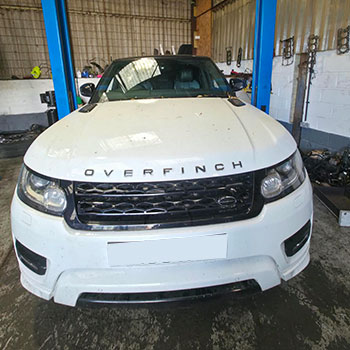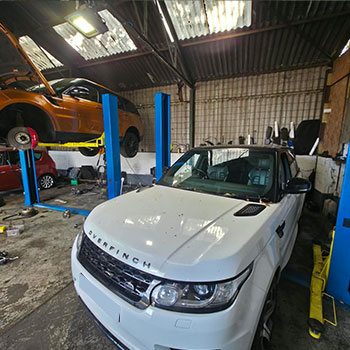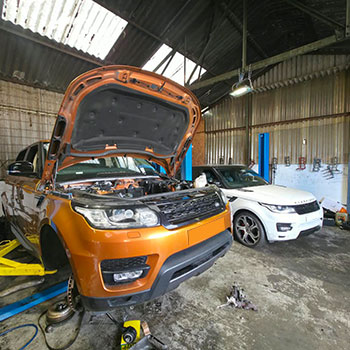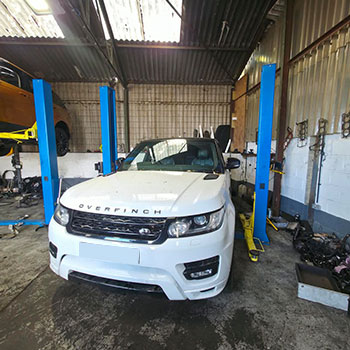


Upto 40% Off on Engine Replacements
Range Rover Engine Replacement by Specialists Supplied and Fitted
Correct engine code matching
Fast turnaround to reduce downtime
Warranty backed Land Rover Engines
Specialist engine support
SUPPLIED & FITTEDCorrect engine code matching
WARRANTY OPTIONSFast turnaround to reduce downtime
RECOVERY AVAILABLEWarranty backed Land Rover Engines
SPECIALIST SUPPORTSpecialist engine support
Browse by RANGE ROVER Model
Replacement Engines for Popular Range Rover Models
Select your model to view compatible engine and fitting options.
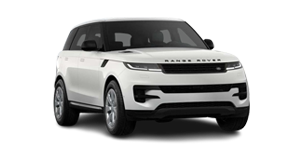
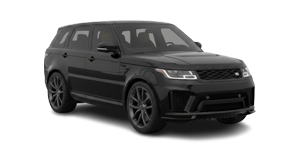
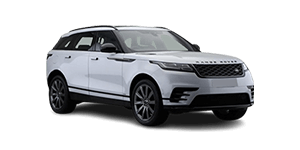
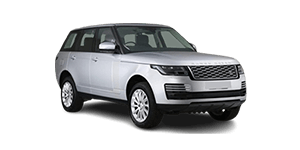
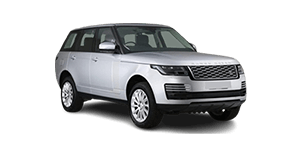
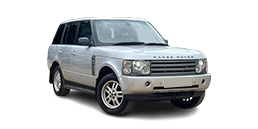
Range Rover Engine Replacement Solutions
Types of Range Rover Engine Services We Offer
Find out about Our Best Range Rover Engine Replacement Solutions to Get You Back on the Road
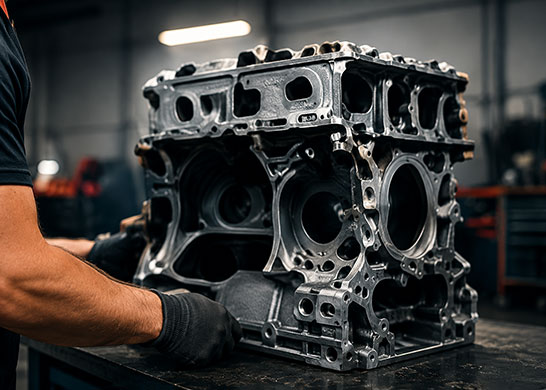
Engine Rebuilds
Complete rebuilds to manufacturer standards with careful inspection and preparation.
View Service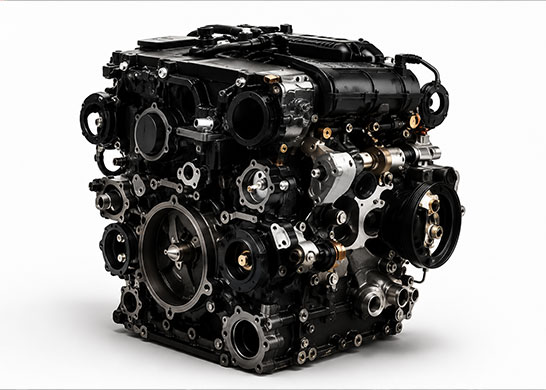
Reconditioned Engines
High quality reconditioned engines, tested and ready for professional fitting.
View Service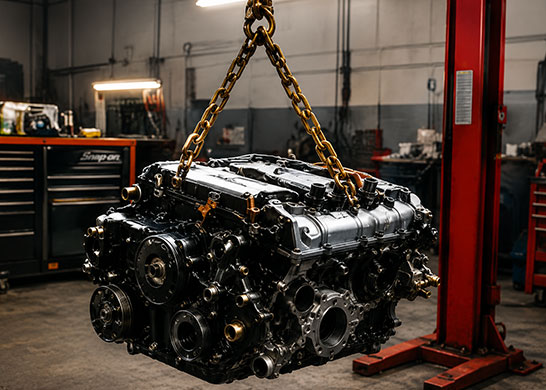
Replacement Engines
Quality replacement engines supplied and fitted with clear support from start to finish.
View Service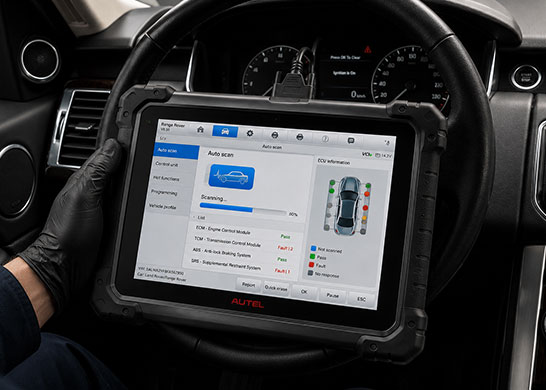
Engine Diagnostics
Advanced diagnostic checks to identify faults before repair or replacement work starts.
View Service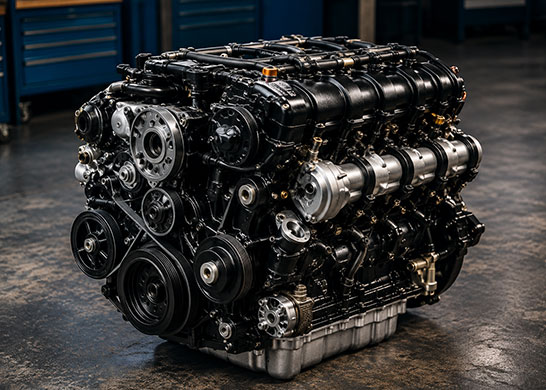
Used Engines
Quality checked used engines available for fitting, replacement and repair support.
View Service
Correct Engine Code Matching
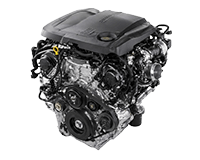
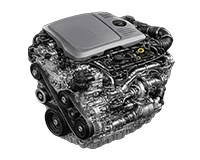
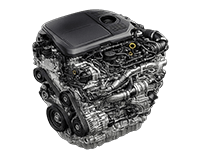
Popular Engine Replacement Codes We Cover
We match every engine replacement with exact engine code and check registration, VIN and engine details before supplying or fitting.
Browse by Engine Size
Range Rover Engines in the Sizes Most Requested
Explore Range Rover petrol and diesel engines matched to your model and specification.
From Engine Failure to Road-Ready
OUR 4-STEP Engine Supply and Fit Process Explained
A clear process designed to identify the fault, match the correct engine and complete the replacement to get you back on the road.
01
VEHICLE &
VEHICLE &
FAULT ASSESSMENT
We assess symptoms, engine condition and history before providing the best solution.
02
ENGINE CODE &
ENGINE CODE &
COMPATIBILITY CHECK
Exact engine code, platform compatibility and requirements checked to ensure the right match.
03
REBUILD / PREPARATION /
REBUILD / PREPARATION /
SOURCING & TEST
We either rebuild to high standards or source and test the best engine for your vehicle.
04
SUPPLY, FITMENT &
SUPPLY, FITMENT &
HANDOVER
The engine is supplied, fitted, tested and handed over with warranty support.
ENGINE SUPPLY & REPLACEMENT EXPERTS
Range Rover Engines for Sale, Expert In-House Rebuilt & Fitting with Warranty
At Engine Rebuild, we offer a complete range of engine services for Range Rover owners who are dealing with warning lights, internal damage, poor performance or total engine failure. Our services include fault diagnosis, tested used engine supply, professionally reconditioned units, original engine rebuilding, mechanical repairs, supply-only options, and complete replacement in the UK.
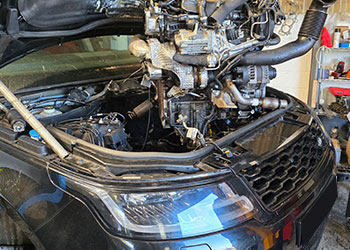
We work with current and earlier vehicles across the established Range Rover family, including Range Rover, Range Rover Sport, Range Rover Velar and Range Rover Evoque. Earlier models may use four-cylinder petrol or diesel units, TDV6 and SDV6 diesels, TDV8 diesels or petrol V8. Newer vehicles also use mild-hybrid and plug-in hybrid systems. Current P460e and P550e versions of Range Rover and Range Rover Sport, for example, combine a 3.0-litre six-cylinder Ingenium petrol engine with an electric motor.
Before we recommend any service, we identify the exact vehicle and engine. A tailgate badge such as Vogue, TDV6, SDV6, Si4, D200, D300 or P400e does not prove compatibility. We check Range Rover engine manufacturer specifications alongside the registration, VIN, engine code, model year, emissions standard, power output, induction system, transmission and electronic controls.
We also investigate why the original unit failed. Low oil pressure, overheating, injector trouble, turbocharger damage, timing failure or contamination can affect the engine and connected systems. If the first cause is left unresolved, it can damage another unit. Our recommendation is therefore based on diagnosis, repairability, parts availability, budget and the expected long term condition of the vehicle.
Range Rover Engine Specialists for Diagnosis and Fault Assessment
A warning light, unusual noise or loss of power does not automatically confirm complete engine failure. The problem may be caused by the turbocharger, injectors, timing system, cooling circuit, lubrication system, sensors, wiring or emissions equipment.
Proper diagnosis may include:
- Fault-code scanning
- Oil-pressure measurement
- Compression testing
- Cylinder leak-down testing
- Cooling-system pressure testing
- Injector testing
- Oil and filter inspection
- Borescope inspection
- Turbocharger assessment
- Crankcase-pressure testing
Experienced Range Rover engine specialists should explain the evidence behind their recommendation rather than relying on one symptom. In some cases, a focused Range Rover engine repair may correct the underlying fault without replacing the complete unit.
In other cases, metal contamination, low compression, severe overheating, a damaged crankshaft or a cracked engine block may make a larger intervention more practical.
Second Hand Range Rover Engines We Match and Supply
We offer tested donor engines for customers who need a more affordable or readily available option. We match the registration, VIN, engine code, model year, power output, emissions equipment and drivetrain before allocating a unit. Where documented information is available, we also explain the donor mileage, test status, included components and warranty terms.
Listings for used Range Rover engines for sale can appear identical even when the units have different sensors, turbo arrangements, sumps, wiring, software or emissions systems. We confirm what is included and identify which serviceable ancillaries may be transferred from the failed unit. We never describe a used engine as reconditioned or rebuilt.
Reconditioned Range Rover Engines We Prepare and Supply
We offer reconditioned units for customers who want more internal preparation than a standard used engine provides. The process can include dismantling, cleaning, measurement and inspection, followed by machining and replacement of worn or damaged components to the agreed specification. The engine is then reassembled and tested before supply or fitting.
We explain the build specification in writing, including the main parts and machining operations covered by the quotation. A reconditioned unit should involve meaningful internal work, not only cleaning, painting or fitting external parts. The exact scope can vary by engine family and by the condition of the core unit.
For Customers Who Want Their Range Rover Engine Rebuilt
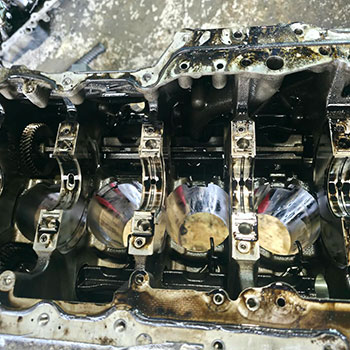
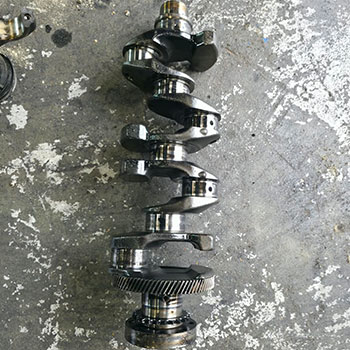
We rebuild the vehicle's original engine when inspection shows that its main castings and internal parts remain suitable for restoration. Our Range Rover engine rebuild specialist service includes stripping and assessing the block, crankshaft, cylinder head, bores, pistons, connecting rods, bearings, oil pump and timing components. We then explain which items can be reused, machined or replaced.
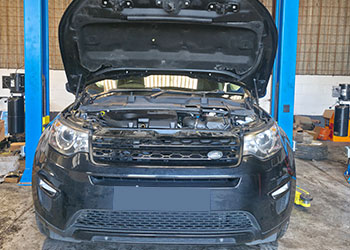
We also inspect connected parts when turbocharger damage, injector trouble, oil contamination, overheating or cooling failure may have contributed to the breakdown. A cracked block, severely damaged crankshaft, distorted cylinder head or shortage of suitable parts can make a matched replacement unit more practical than rebuilding the original.
Customers searching for Range Rover engine rebuild near me should compare more than distance. We recommend checking the written build specification, testing method, engine-family experience, warranty conditions and any excluded parts. Our quotation sets out the agreed work before the rebuild proceeds.
Complete Range Rover Engine Supply and Fit Service
We provide an end-to-end service for customers who want us to source the engine and complete the workshop work. The quotation can include diagnosis, the selected unit, removal of the failed engine, preparation, installation, fluids, filters, seals, agreed ancillary work, coding and final testing. We clearly separate anything that is not included, such as damaged turbochargers, injectors, DPF components, batteries or cooling parts.
We can arrange recovery when the Range Rover cannot be driven safely. Once the vehicle reaches our workshop, we remove the failed unit carefully and inspect the engine bay, mounts, pipes, wiring and reusable ancillaries. We then prepare and install the selected engine using the correct procedures, fluids and tightening information for that model.
Depending on the vehicle, our fitting work can also include checking the clutch, flywheel, starter, alternator, engine mounts, intake system and exhaust connections. Any additional work is explained and quoted before we proceed.
Warning Signs We Diagnose Before Recommending an Engine Service
We inspect Range Rover vehicles showing oil-pressure warnings, knocking, timing rattle, overheating, persistent smoke, coolant pressurisation, difficult starting, misfiring or sudden power loss. Stop driving immediately if the oil-pressure light remains on, the temperature enters the red, the engine develops a heavy metallic knock, or the crankshaft will no longer rotate.
We use the symptoms and test results to decide which of our services is suitable. An electronic, fuel-system, turbocharger, cooling or emissions fault can sometimes imitate serious internal damage. Our aim is to confirm whether the vehicle needs repair, rebuilding or another engine before unnecessary work is authorised.
|
Warning sign |
What may be causing it |
Why it matters |
What to do next |
|---|---|---|---|
|
Red oil-pressure warning |
Low oil level, a restricted pickup, oil-pump trouble, worn bearings or fuel-diluted oil |
Crankshaft, camshaft and turbo bearings can lose their protective oil film very quickly. |
Switch off safely. Do not restart until the pressure and oil condition have been tested. |
|
Deep knock that rises with load |
Big-end or main-bearing wear, crankshaft damage, piston movement or combustion knock |
A heavy lower-engine knock can point to excessive clearance or oil starvation. |
Stop driving and arrange recovery for oil-pressure and internal checks. |
|
Rattle for several seconds after start-up |
Timing-chain wear, damaged guides, a weak tensioner or slow oil-pressure build-up |
Timing movement can cause poor running and, in severe cases, valve-to-piston contact. |
Avoid repeated starts and book a timing-system and lubrication inspection. |
|
Repeated overheating |
Coolant loss, thermostat or water-pump trouble, a restricted radiator, head-gasket failure or head damage |
High temperature can distort aluminium parts, thin the oil and damage seals. |
Stop, let the vehicle cool and arrange pressure and combustion-gas tests. |
|
Coolant loss or hard hoses soon after a cold start |
An external leak, oil/EGR cooler issue, restricted flow or combustion gases entering the cooling circuit |
Rapid pressure rise can indicate an internal leak, although proper testing is essential. |
Never open a hot cap. Arrange recovery if the temperature is rising. |
|
Persistent white smoke after warm-up |
Coolant entering a cylinder, an injector fault, low compression or incomplete diesel combustion |
Normal condensation should clear; continuing smoke needs investigation. |
Check fluid levels and request cooling, injector and compression tests. |
|
Blue smoke or rising oil use |
Piston-ring or valve-seal wear, turbo seal leakage or excessive crankcase pressure |
Oil is entering the intake or combustion chamber and the level may fall dangerously low. |
Check the oil level and arrange leak-down, breather and turbo checks. |
|
Black smoke during acceleration |
Restricted air supply, a boost leak, turbo trouble, EGR fault, excessive fuelling or injector imbalance |
The engine is not receiving the correct air-to-fuel ratio and may also feel underpowered. |
Avoid hard acceleration and inspect the intake, boost and fuel systems. |
|
Restricted performance or sudden loss of power |
A boost, fuel-pressure, sensor, injector, emissions-system or compression fault |
The control system may be protecting the vehicle, or the engine may have a mechanical problem. |
Read all fault codes and live data before replacing components. |
|
Persistent misfire or rough idle |
Injector trouble, compression loss, valve damage, wiring faults, air leaks or incorrect timing |
Unburnt fuel can raise exhaust temperature and damage after-treatment components. |
Arrange cylinder-balance, injector and compression testing. |
|
Long cranking or difficult starting |
Low compression, injector leak-off, glow-system trouble, timing error or low fuel pressure |
Repeated poor starting can expose both mechanical wear and fuel-system faults. |
Test fuel pressure, injector return flow and compression. |
|
Oil in coolant or coolant in oil |
A failed oil cooler, head-gasket problem, cracked cylinder head or damaged block |
Cross-contamination reduces lubrication and cooling performance. |
Do not continue driving. Test the coolers and cooling circuit before dismantling. |
|
Metal found in the oil or filter |
Bearing, camshaft, timing-component or other lubricated-surface wear |
Metal debris shows that an internal component may be breaking down. |
Stop the engine and inspect the filter, sump and lubrication circuit. |
|
Strong crankcase pressure or oil mist |
Blocked breathers, worn rings, bore wear or damaged pistons |
Combustion gases may be passing into the crankcase and forcing oil through seals. |
Inspect the breather system and carry out compression and leak-down tests. |
|
Engine will not crank or rotate |
A seized bearing, hydrolock, timing failure, broken internal part, starter fault or drivetrain lock |
A locked crankshaft may indicate major damage, but external causes must be ruled out. |
Do not force it to start. Recover the vehicle for mechanical assessment. |
|
Engine or hybrid warning on an electrified model |
An engine-management, cooling, high-voltage battery, motor, inverter or safety-interlock fault |
Reduced performance may come from the combustion or electrical side of the powertrain. |
Do not touch orange high-voltage cables. Use suitably trained diagnostic technicians. |
How Much Does a Range Rover Engine Replacement Cost?
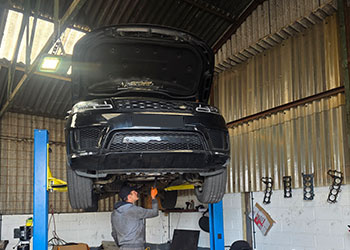
The cost of a Range Rover engine replacement depends on the exact model, generation, engine code and condition of the replacement unit. A used Range Rover engine price will normally differ from the price of a reconditioned engine or a rebuild of the original unit. Labour also varies according to engine layout, access, four-wheel-drive equipment, hybrid safety procedures and the number of ancillary parts that must be transferred, renewed or programmed.
Turbocharger condition, injectors, fuel pumps, oil coolers, radiators, intercoolers, timing components, engine mounts and transmission-related parts can all affect the final quotation. Additional damage may only become visible after the failed engine is removed or dismantled. For this reason, Range Rover engine replacement cost in the UK and Range Rover engine rebuild cost should be based on the registration, VIN, fault details and a technical assessment. Send these details to receive an accurate, no-obligation quotation.
FAQs
FREQUENTLY ASKED QUESTIONS
Explore common questions about replacement engines, fitting, costs and warranties..
Key signs include knocking noises, oil pressure warnings, excessive exhaust smoke, coolant leaks, and engine overheating. You may also notice power loss or rough idling. Turning off the engine immediately prevents further damage.
Rebuilding works best if damage is minor and isolated. Replacing with a reconditioned engine is faster and cheaper if the crankshaft or engine block has severe damage. A diagnostic scan reveals the best option.
It is usually caused by oil starvation, bearing rotation, or metal fatigue. Poor lubrication weakens the crankshaft over time, leading to engine knocking or total seizure. Regular oil changes help prevent this.
Look for a metallic rattle from the engine bay on cold starts, an engine warning light, or poor acceleration. Replacing a stretched chain early prevents major engine damage.
A bare engine contains just the engine block, cylinder head, and internal parts. A complete engine includes extra parts like turbochargers, fuel injectors, and manifolds. Bare engines cost less but require transferring existing parts from your old engine.
Yes. Frequent short journeys interrupt DPF regeneration, which pushes unburnt diesel into the oil sump. Thinned oil loses its lubricating qualities, leading to rapid wear on bearings and camshafts.
A reconditioned engine can last over 100,000 miles with proper care. Its lifespan depends on regular oil changes, correct servicing, and proper driving during the break-in period. Most units include up to a 12-month warranty.
Knocking under load usually indicates worn bearings, crankshaft damage, low oil pressure, or a faulty fuel injector. Driving with an engine knock can cause total engine breakdown.
Technicians strip the engine down to inspect and clean all parts. They replace worn pistons, bearings, gaskets, and seals, pressure-test the cylinder head, and machine or replace the crankshaft.
Specialists arrange flatbed vehicle pickup to transport your car safely to the workshop. This prevents further road damage to a broken engine and simplifies the repair process.
Yes, if the previous engine failure sent metal debris through the oil system. Using a damaged turbocharger risks pulling metal dust into the fresh engine, causing immediate failure.
Technicians match your registration number, VIN, and engine code. Range Rover engines with the same size often use different injectors, wiring, or sumps across model years.
A professionally fitted engine with warranty paperwork protects and restores vehicle value. Buyers see a fresh, rebuilt engine as a benefit, provided you keep service records and receipts.
GALLERY
OUR WORKSHOP GALLERY
Explore common questions about replacement engines, fitting, costs and warranties..