Upto 40% Off on Engine Replacements
Used and Reconditioned Land Rover Engines Supplied and Fitted
Correct engine code matching
Fast turnaround to reduce downtime
Warranty backed Land Rover Engines
Specialist engine support
SUPPLIED & FITTEDCorrect engine code matching
WARRANTY OPTIONSFast turnaround to reduce downtime
RECOVERY AVAILABLEWarranty backed Land Rover Engines
SPECIALIST SUPPORTSpecialist engine support
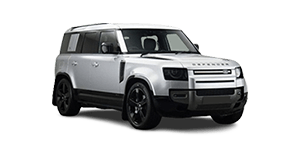
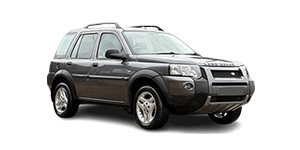
Browse by LAND ROVER Model
Replacement Engines for Popular Land Rover Models
Select your model to view compatible engine and fitting options.





Land Rover Engine Replacement Solutions
Types of Land Rover Engine Services We Offer
Find out about Our Best Land Rover Engine Replacement Solutions to Get You Back on the Road
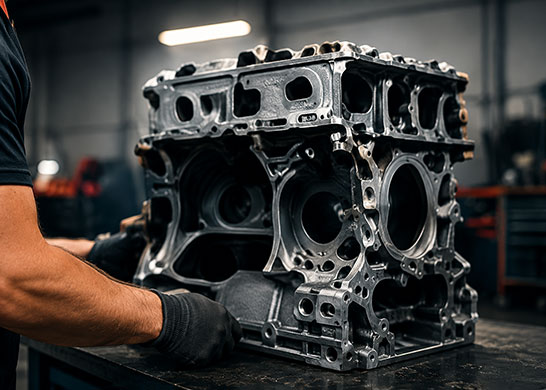
Engine Rebuilds
Complete rebuilds to manufacturer standards with careful inspection and preparation.
View Service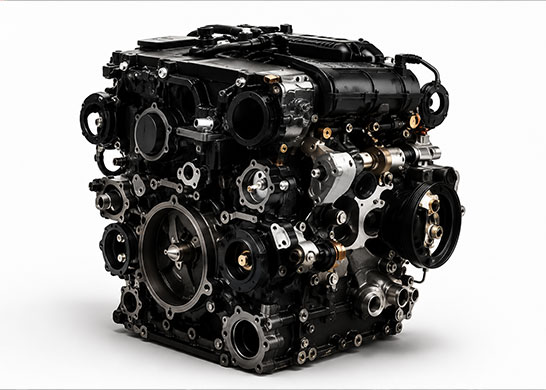
Reconditioned Engines
High quality reconditioned engines, tested and ready for professional fitting.
View Service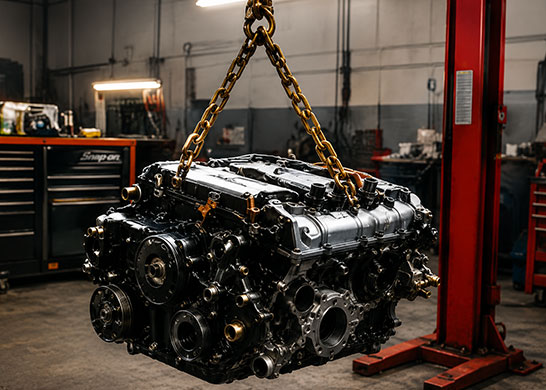
Replacement Engines
Quality replacement engines supplied and fitted with clear support from start to finish.
View Service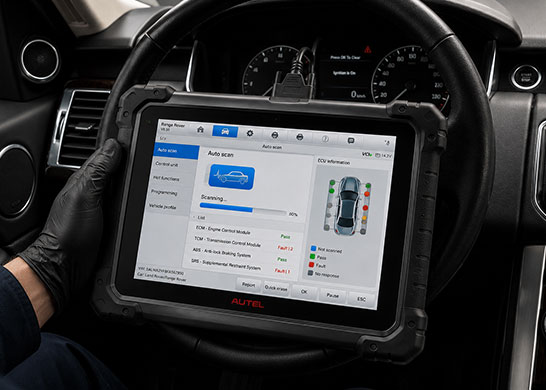
Engine Diagnostics
Advanced diagnostic checks to identify faults before repair or replacement work starts.
View Service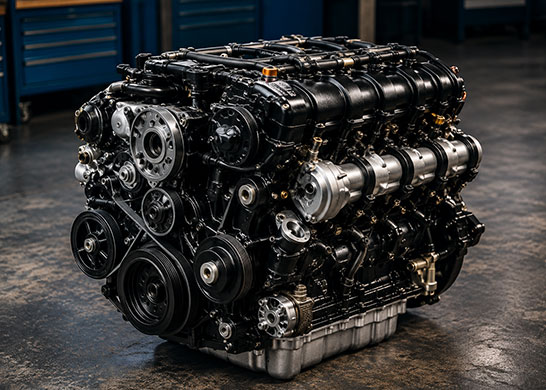
Used Engines
Quality checked used engines available for fitting, replacement and repair support.
View Service
Correct Engine Code Matching
Popular Engine Replacement Codes We Cover
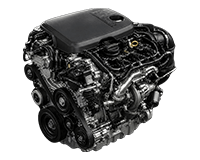
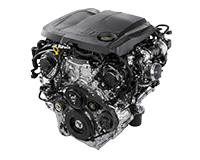
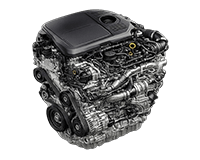
We match every engine replacement with exact engine code and check registration, VIN and engine details before supplying or fitting.
Browse by Engine Size
Land Rover Engines in the Sizes Most Requested
Explore Land Rover petrol and diesel engines matched to your model and specification.
From Engine Failure to Road-Ready
OUR 4-STEP Engine Supply and Fit Process Explained
A clear process designed to identify the fault, match the correct engine and complete the replacement to get you back on the road.
01
VEHICLE &
VEHICLE &
FAULT ASSESSMENT
We assess symptoms, engine condition and history before providing the best solution.
02
ENGINE CODE &
ENGINE CODE &
COMPATIBILITY CHECK
Exact engine code, platform compatibility and requirements checked to ensure the right match.
03
REBUILD / PREPARATION /
REBUILD / PREPARATION /
SOURCING & TEST
We either rebuild to high standards or source and test the best engine for your vehicle.
04
SUPPLY, FITMENT &
SUPPLY, FITMENT &
HANDOVER
The engine is supplied, fitted, tested and handed over with warranty support.
ENGINE SUPPLY & REPLACEMENT EXPERTS
Compare your engine replacement options and understand what is included before booking.
Costs can quickly spiral out of control when you are looking to replace the engine in your Land Rover. Engine Rebuild supply used, rebuilt and reconditioned Land Rover engines for drivers dealing with serious engine damage or complete mechanical failure. We ensure that every Land Rover including Defender, Discovery, Discovery Sport and Freelander is covered and then engines used in those vehicles are available.
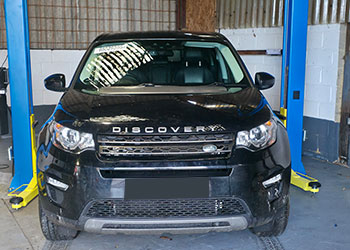
Our process starts with checking the registration, VIN, engine code and vehicle specification to reduce the risk of compatibility problems. Vehicle recovery, diagnostic assessment, engine preparation, installation and final testing can also be included as part of a complete replacement package.
Choose between Used, Reconditioned and Rebuild Land Rover Engines
Everyone operates a different budget and we tend to cater every Land Rover driver while providing him various engine replacement choices. First and most popular choice is a used Land Rover replacement engine. A used Land Rover engine is a previously operated unit removed from another vehicle and may suit customers seeking a more affordable or readily available replacement. Before offering a used Land Rover engine for sale, the engine code, model year, power output, drivetrain and emissions specification should be matched to the vehicle. Customers can choose Land Rover engine supply only or a complete supplied-and-fitted package.
On the other hand, reconditioned Land Rover engines tend to cater those customers who are looking for peak performance and ultimate reliability while not paying the premium prices. Reconditioned Land Rover engines undergo a more extensive process than standard used units. Our Land Rover engine reconditioning process involves dismantling, cleaning, inspecting and measuring major internal components, followed by machining and replacement of worn or damaged parts where required. Engine is then reassembled and tested according to the agreed work specification. A reconditioned Land Rover diesel engine can be supplied separately or professionally fitted, while the term remanufactured Land Rover engine should only be used where the process meets the required remanufacturing standard.
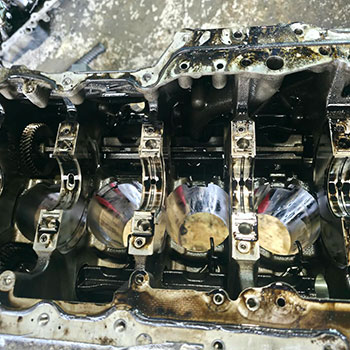
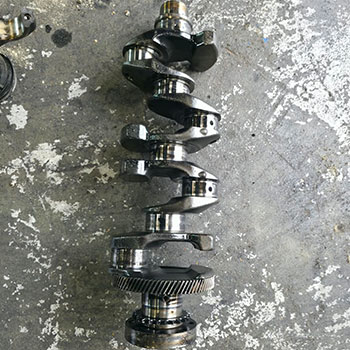
A Land Rover engine rebuild may be recommended when the vehicle’s original engine remains repairable and rebuilding offers better value than complete replacement. At Engine Rebuild, we start with assessing the fault and then strip the engine to inspect the engine block, crankshaft, cylinder head, pistons, connecting rods, bearings and lubrication system. Faulty components are either machined or replaced before the engine is reassembled, timed and tested.
A Land Rover diesel engine rebuild may also require inspection of the turbocharger, injectors, oil feed system and cooling components, especially where a related fault contributed to the original damage. In cases involving a cracked block, severely damaged crankshaft, extensive overheating or unavailable parts, fitting a suitable used or reconditioned engine may be more practical than rebuilding the original unit. The final recommendation should consider repairability, parts availability, total cost, expected turnaround and the long-term condition of the vehicle.
We Supply and Fit Land Rover Engines While saving you Up to 40%
Not only we supply the used and reconditioned Land Rover engines, we have decades of experience in fitting those engines to factory standards. Our team understands the technical checks required to complete a reliable engine replacement. very job follows a structured process, beginning with vehicle identification, engine code matching and fault assessment. The failed engine is removed carefully, related components are inspected, and the replacement unit is prepared before installation.
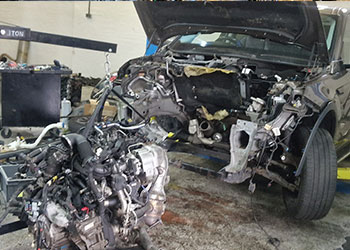
With our experience, we identify common compatibility issues, avoid unnecessary delays and reduce the risk of fitting problems that can lead to additional costs. When the engine is installed according to factory standards, we fill the correct fluids, check for any leaks, test the electronics and assess under operating conditions before the vehicle is retuned. By offering professionally prepared used, rebuilt and reconditioned engines, we can help customers save up to 40% compared with the price of a brand-new engine, depending on the vehicle, engine specification and service selected.
Common Signs of Land Rover Engine Failure
A Land Rover engine often give you clear warning signs before breaking down such as abnormal noise, reduced oil pressure, overheating, smoke, fluid loss or declining performance. Land Rover engine knocking or heavy tapping may indicate bearing wear, piston damage, valvetrain problems or insufficient lubrication, while a Land Rover low oil pressure warning can point to a failing oil pump, blocked oil pickup, excessive bearing clearance or internal oil leakage. Persistent Land Rover engine overheating may result from coolant loss, thermostat failure, restricted circulation, cylinder-head distortion or combustion gases entering the cooling system.
Other Land Rover engine problems include difficult starting, coolant pressurization, metallic debris in the oil, excessive crankcase pressure and sudden power loss. A Land Rover engine seized condition, where the crankshaft will not rotate, usually indicates severe lubrication failure, overheating, hydro lock or major internal damage. However, one symptom alone should never be treated as a confirmed diagnosis. Proper fault-code scanning, compression testing, oil-pressure measurement, cooling-system checks and internal inspection may be required before recommending repair, rebuilding or engine replacement.
| Warning sign | Possible technical concern | Diagnostic significance | Recommended action |
|---|---|---|---|
|
Knocking under load or acceleration |
Connecting-rod bearing wear, crankshaft journal damage, piston slap or combustion knock |
A deep metallic knock that increases with engine load may indicate excessive internal clearance or lubrication failure |
Stop driving and arrange an oil-pressure test and internal inspection |
|
Heavy tapping from the cylinder head |
Hydraulic lifter failure, worn camshaft lobes, rocker-arm damage or restricted oil supply |
Persistent top-end noise can indicate valvetrain wear or inadequate lubrication reaching the cylinder head |
Check oil level immediately and book professional diagnosis |
|
Low oil-pressure warning |
Failing oil pump, blocked pickup strainer, worn bearings, oil dilution or internal leakage |
Low pressure can prevent the crankshaft, camshaft and turbocharger from receiving sufficient lubrication |
Switch off the engine immediately and do not restart it |
|
Persistent engine overheating |
Coolant leak, thermostat fault, water-pump failure, blocked radiator, head-gasket failure or cracked cylinder head |
Repeated overheating can distort the cylinder head, damage piston rings and degrade engine oil |
Stop the vehicle safely and arrange recovery and pressure testing |
|
Coolant hoses becoming excessively hard |
Combustion gases entering the cooling system, restricted coolant flow or over-pressurisation |
Rapid pressure build-up from a cold start may suggest cylinder-head or head-gasket problems |
Avoid opening the coolant cap when hot and arrange a combustion-gas test |
|
Blue exhaust smoke |
Worn piston rings, valve-stem seal wear, turbocharger seal failure or excessive crankcase pressure |
Blue smoke indicates lubricating oil is entering the intake or combustion chambers |
Check oil consumption and arrange compression, leak-down and turbocharger checks |
|
White exhaust smoke after warm-up |
Coolant entering a cylinder, injector malfunction, low compression or incomplete diesel combustion |
Persistent white smoke may indicate coolant contamination or poor combustion rather than normal condensation |
Check coolant level and arrange cooling-system and injector diagnosis |
|
Black smoke under acceleration |
Excessive fuelling, restricted air intake, boost leak, turbocharger fault, EGR issue or injector imbalance |
Black smoke usually reflects an incorrect air-to-fuel ratio and may be accompanied by reduced power |
Run diagnostic scans and inspect the intake, boost and fuel systems |
|
Sudden loss of power |
Turbocharger failure, fuel-pressure fault, injector problem, compression loss or protective limp mode |
Power loss may be caused by an electronic control issue or serious mechanical deterioration |
Avoid heavy acceleration and arrange diagnostic testing |
|
Excessive crankcase pressure |
Worn piston rings, damaged pistons, blocked breather system or cylinder bore wear |
Strong pressure or oil mist from the breather can indicate combustion gases passing into the crankcase |
Carry out a breather inspection, compression test and cylinder leak-down test |
|
Oil and coolant mixing |
Failed oil cooler, damaged head gasket, cracked cylinder head or engine-block damage |
Creamy residue, contaminated coolant or rising oil level can indicate internal fluid cross-contamination |
Do not continue driving; arrange oil-cooler and cooling-system testing |
|
Metallic particles in engine oil |
Bearing material, camshaft wear, timing-component damage or internal surface failure |
Visible metal debris may show that lubricated components are breaking down internally |
Stop engine operation and inspect the oil filter and sump contents |
|
Difficult starting or prolonged cranking |
Low compression, injector leak-off, glow-plug fault, timing error or insufficient fuel pressure |
Repeated starting difficulty may indicate mechanical wear or fuel-system imbalance |
Complete compression, fuel-pressure and injector return-flow tests |
|
Timing-chain rattle at start-up |
Chain elongation, worn guides, weak tensioner or delayed oil pressure |
Continued timing-system wear can allow valve timing to shift or cause piston-to-valve contact |
Avoid repeated cold starts and arrange timing-system inspection |
|
Engine misfire with vibration |
Injector fault, compression loss, valve damage, wiring fault or incorrect timing |
A persistent misfire can increase exhaust temperatures and damage the catalytic or emissions systems |
Scan fault codes and perform cylinder-balance and compression testing |
|
Engine will not rotate |
Bearing seizure, hydrolock, broken connecting rod, timing failure or severe overheating damage |
A locked crankshaft usually indicates major internal failure, although starter or drivetrain faults must also be excluded |
Do not force the engine to start; arrange vehicle recovery and mechanical assessment |
|
Sudden engine shutdown while driving |
Loss of oil pressure, timing failure, fuel-pressure loss, electrical fault or internal seizure |
An unexpected shutdown may be electronic or mechanical and should not be repeatedly restarted |
Move the vehicle to safety, switch off the ignition and arrange recovery |
|
Rapid oil consumption without visible leaks |
Piston-ring wear, valve-seal failure, turbocharger leakage or crankcase ventilation fault |
High oil usage can lead to low lubrication levels, carbon deposits and eventual engine damage |
Monitor the oil level closely and arrange oil-consumption diagnosis |
How Much Land Rover Engine Replacement Cost?
Truth of the matter is that the cost of Land Rover engine replacement depends on the exact vehicle model, engine code, condition of the replacement unit and the labour required to complete the installation. Whether you chose a used engine or a reconditioned engine for the replacement, preparation, internal inspection and component replacement process also matter. Engine availability, fitting cost, turbo charger condition, injectors, cooling system and timing components must be checked and can affect the price at the end.
Additional damage is sometimes identified only after the failed engine has been removed and inspected. For the same reasons, the Land Rover engine rebuild cost in the UK should be based on an individual technical assessment rather than a broad estimate. Send us your registration number and fault details to receive an accurate, no-obligation quotation.
FAQs
FREQUENTLY ASKED QUESTIONS
Explore common questions about replacement engines, fitting, costs and warranties..
This depends on the selected engine package. Your quotation will clearly list all included components.
Yes, provided they are compatible, serviceable and have not contributed to the original engine failure.
Some Land Rover models require coding, software adaptation or control-unit synchronization after installation.
Yes, subject to compatibility and condition checks. Separate fitting and warranty terms may apply.
It may be retained as an exchange unit, returned to you or disposed of according to the agreed terms.
Yes. Cooling, lubrication, turbocharger, injector or electrical faults must be corrected before installation.
Yes, where required. Contaminated pipes, radiators, intercoolers or hoses may also need replacement.
Yes. These components can be inspected while the engine is removed, with any additional work quoted separately.
No. The vehicle’s recorded mileage remains unchanged after an engine replacement.
Usually, yes. You should follow the recommended driving, fluid-check and servicing instructions.
We check fluid levels, leaks, fault codes, cooling operation and overall engine performance.
You will receive an invoice, applicable warranty terms and any servicing or aftercare recommendations.
GALLERY
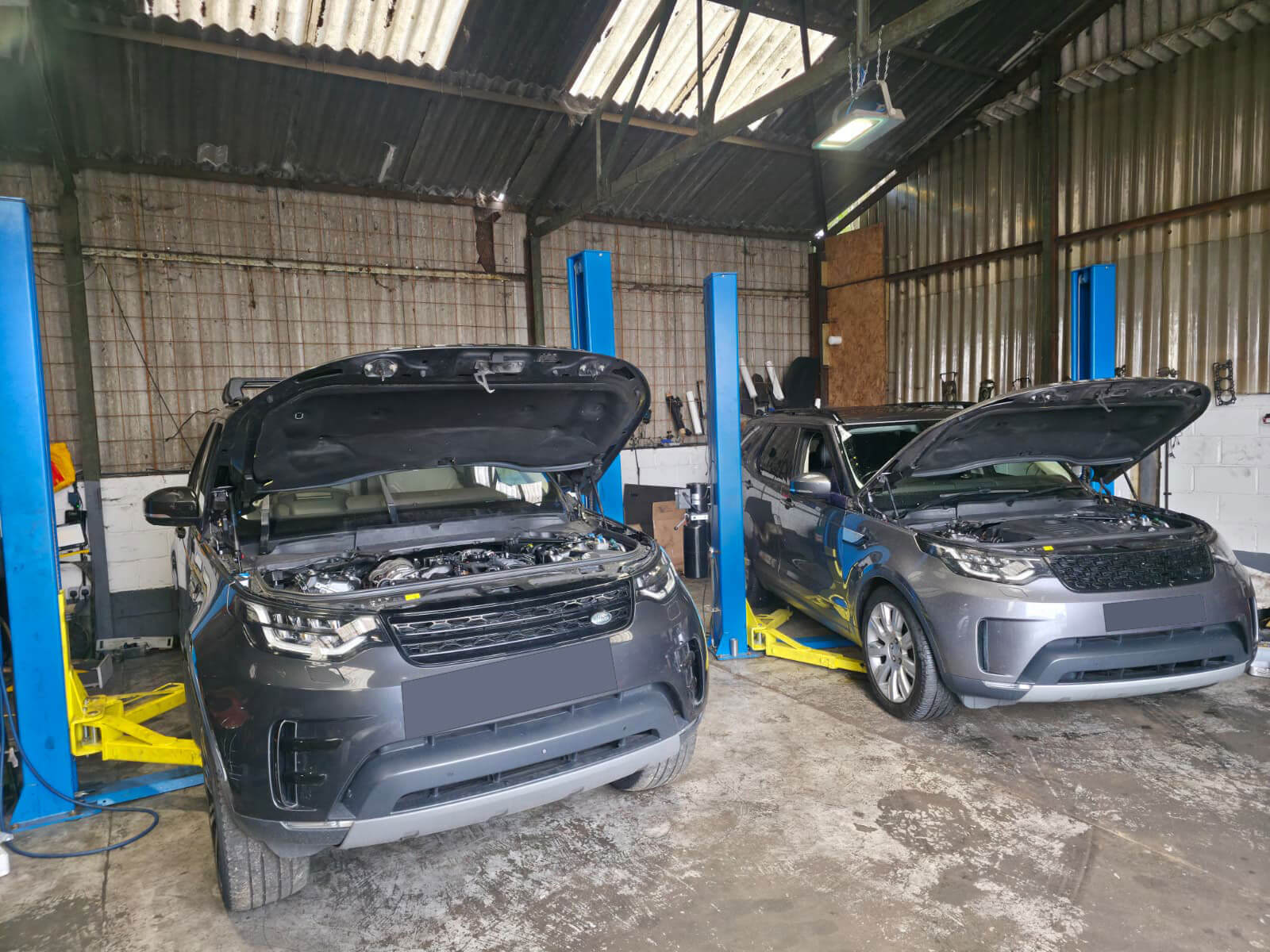
OUR WORKSHOP GALLERY
Explore common questions about replacement engines, fitting, costs and warranties..